
What Makes a Healthy Preschool Lunch Menu?
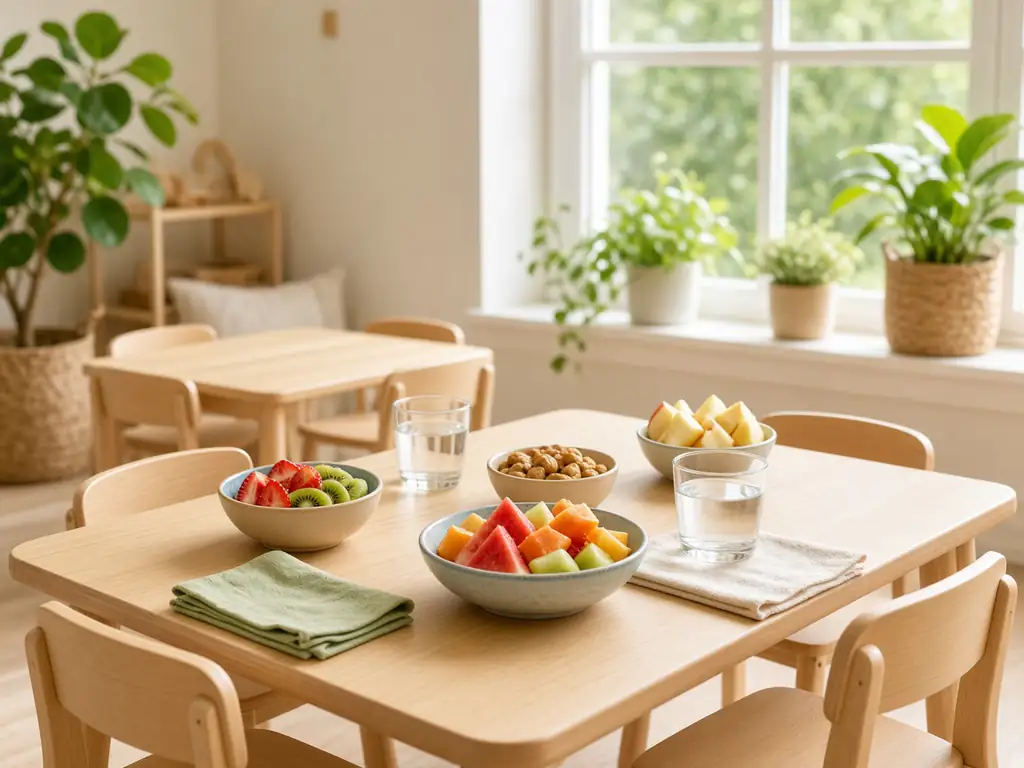
For many children, lunch at preschool is the main meal of the day. If your child spends most of the day at nursery or preschool, what is on the menu matters, both for their energy and mood today and for the eating habits they build for the future. A healthy preschool lunch menu is not about perfect plates or forbidden foods. It is about balance across the day and the week, food that young children can actually eat and enjoy, and mealtimes that feel calm and sociable. This guide explains what a balanced lunch for kids usually includes, how a weekly menu for preschool is put together, what children typically eat during the preschool day and the questions worth asking when you look at a menu.
Why lunch at preschool matters
Children between one and six grow quickly and are very active, but their stomachs are small. That means they need regular meals and snacks with good nutritional value rather than large portions. For a child who arrives in the morning and goes home in the late afternoon, preschool may provide lunch and one or two snacks, a significant share of what they eat each day.
Mealtimes are also a learning opportunity. Sitting with friends, serving themselves, trying new foods and talking about what is on the plate help children develop independence, social skills and a relaxed attitude to food.
What a balanced lunch for kids includes
A balanced lunch for young children usually brings together a few main food groups. There is no need to count every portion; the aim is variety and colour over the week.
- Vegetables and fruit: cooked vegetables in soups, stews and side dishes, raw vegetables cut into safe shapes, and fresh fruit.
- Starchy foods: bread, rice, bulgur, pasta and potatoes, including wholegrain versions some of the time.
- Protein foods: pulses such as lentils, chickpeas and beans, eggs, fish, chicken and meat.
- Dairy or alternatives: yoghurt, milk and cheese, which also provide calcium.
- Water: offered with every meal and throughout the day.
Healthy menus for young children also go easy on added salt and sugar, and use cooking methods such as baking, boiling and stewing more often than frying.
How a weekly menu for preschool is built
A good weekly menu for preschool is planned as a whole rather than meal by meal. That allows the kitchen to balance heavier and lighter days, rotate protein sources and make sure different vegetables appear across the week.
Variety across the week
Look for a menu where pulses, fish, eggs and meat take turns rather than the same dish appearing every day. Soups made with vegetables and lentils, rice or bulgur dishes, pasta with vegetable sauces, baked chicken or fish with vegetables, and yoghurt-based side dishes are common and practical choices in the region.
Seasonal food
North Cyprus has a long growing season, and menus that follow the seasons tend to offer fresher vegetables and fruit, from summer courgettes and tomatoes to winter citrus. Seasonal menus also keep children meeting new tastes through the year.
Texture and portion size
Food for younger children needs to be soft enough to chew safely and cut into suitable pieces. Portions should match children's age and appetite, with the option of seconds for hungry days.
What do kids eat at preschool during the day?
Every setting organises its day differently, but for children who stay most of the day, the rhythm often looks something like this:
- A morning meal or snack, such as bread with cheese or eggs, vegetables and fruit.
- A light mid-morning snack, often fruit.
- Lunch, usually the main hot meal, with a main dish, a side and something fresh.
- An afternoon snack, such as yoghurt, fruit or a simple home-style bake.
Ask to see a sample weekly menu before you enrol. It tells you a lot about how much thought goes into food, and it helps you plan dinners at home that complement what your child has eaten at preschool.
Picky eating and trying new foods
Many young children go through phases of refusing new foods or eating only a few favourites. This is a normal part of development. Preschool can actually help, because children often try foods at the table with their friends that they would refuse at home.
- New foods are offered alongside familiar ones, without pressure to finish.
- Children are encouraged to look at, smell and taste, rather than forced to eat.
- Adults eat with children where possible and talk positively about food.
- The same food is offered again on other days, since it can take many tries before a child accepts it.
Supporting healthy eating at home
What children eat at home completes the picture. If you know what your child had for lunch, you can plan a lighter dinner on days with a filling lunch, or add vegetables and fruit if they were missing. Family meals, eaten together at the table without screens, give children a chance to see adults enjoying a variety of foods, which is one of the most effective ways to encourage good habits.
Consistency between home and preschool also helps. When children hear similar messages about trying new foods, drinking water and listening to their hunger in both places, those habits settle more easily.
- Offer water as the everyday drink, and keep juices and sweet drinks for occasional treats.
- Keep a bowl of washed fruit within reach for snacks.
- Involve children in simple tasks such as washing vegetables, stirring or setting the table.
- Serve small portions and let children ask for more, rather than insisting on a clean plate.
- Talk about food in terms of colours, tastes and textures rather than good and bad foods.
Allergies and special diets
If your child has a food allergy, intolerance or follows a special diet for health, cultural or religious reasons, tell the preschool before your child starts and ask how they manage it. Good questions include how allergy information is shared with kitchen and classroom staff, how cross-contact is avoided and what happens if a child needs an alternative meal. Keep the preschool updated if anything changes, and follow your doctor's advice on medical diets.
Questions to ask about a preschool menu
- Who plans the menu, and how often does it change?
- Is food cooked on site, and who prepares it?
- How is the weekly menu shared with parents?
- How are portion sizes and textures adjusted for younger children?
- How do staff handle children who do not want to eat?
- How are allergies and special diets managed?
- Is water available throughout the day?
More practical guides for families choosing a nursery or preschool in North Cyprus are available on the North Cyprus Preschool Guide.
Meals at Altın Anahtar
At Altın Anahtar in Alsancak, children eat at school from a menu planned by our dietitian and prepared by our own cook. We welcome children from 12 months to 6 years in our nursery and preschool, and pupils in our study centre, Monday to Friday from 07:30 to 18:30. Please tell us about any allergies or dietary needs when you register.
If you would like to see a sample menu or ask how mealtimes work, you can contact the Altın Anahtar team. Our team can answer your questions in English.
Frequently Asked Questions
What should a healthy preschool lunch include?
Usually a mix of vegetables or fruit, a starchy food such as rice, bread or pasta, a protein food such as pulses, eggs, fish or meat, and a dairy food, with water to drink. Variety over the week matters more than any single plate.
How can I tell if a weekly menu for preschool is balanced?
Look for different protein sources on different days, vegetables at most meals, fruit every day, wholegrains some of the time, and limited fried, salty and sugary foods.
What if my child refuses to eat at preschool?
It is common, especially in the first weeks. Ask the staff how much your child ate and how they encourage new foods without pressure. If you are worried about your child's growth or eating, speak to your paediatrician.
Can preschools cater for allergies?
Many can, but procedures vary. Tell the preschool about any allergy before your child starts and ask exactly how it is managed in the kitchen and at the table.
Should I send snacks from home as well?
Check the preschool's policy first. Some settings provide all meals and snacks and prefer that food is not brought from home, partly to manage allergies safely. If snacks from home are allowed, fruit, plain yoghurt or wholegrain crackers are simple choices that fit well alongside a balanced lunch.
Who plans the meals at Altın Anahtar?
Meals at Altın Anahtar follow a menu planned by our dietitian and are prepared by our own cook.