
The Role of a Dietitian in a Preschool: Who Plans Your Child's Meals?
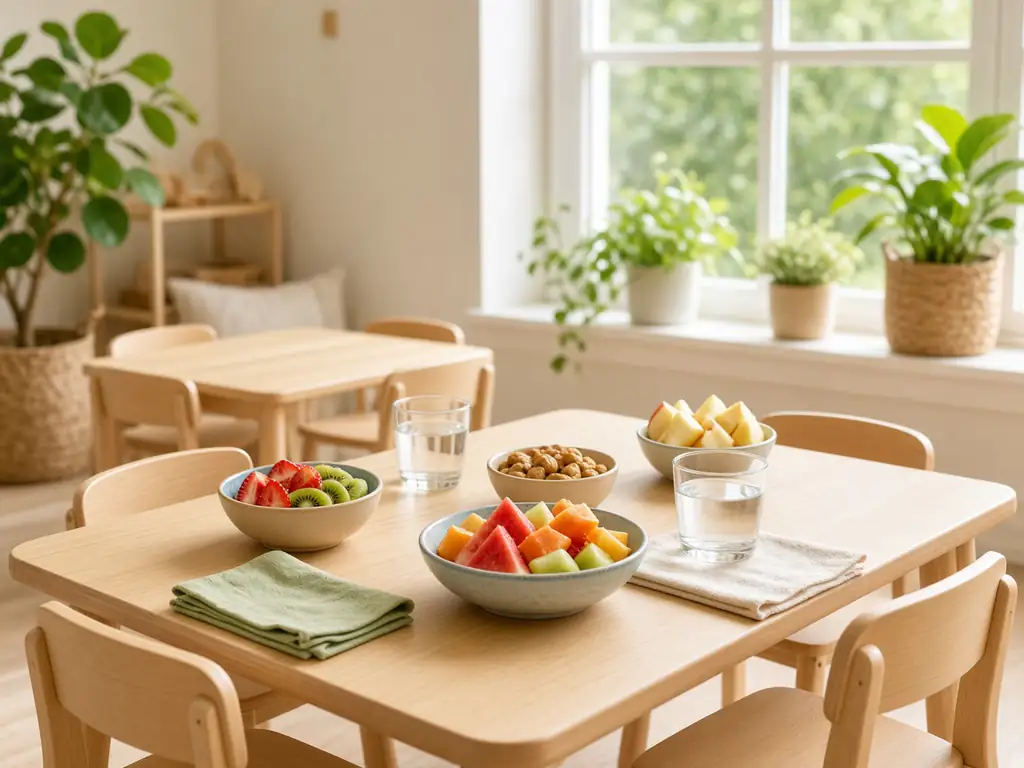
When parents look around a nursery or preschool, they often ask what the children eat. A more revealing question is who decides what they eat. In some settings, menus are put together by the kitchen from habit and budget; in others, a qualified dietitian plans them with young children's needs in mind. This guide explains the role of a dietitian in a preschool, what a dietitian-planned menu involves, how nutrition planning for children works in practice and how the dietitian, the cook and the teachers share the job. It also suggests questions you can ask to find out who plans preschool meals in any setting you are considering.
What is a dietitian?
A dietitian is a health professional trained in nutrition and diet, usually through a university degree followed by supervised practice. Dietitians apply nutrition science to real people and real menus, from planning balanced meals for groups to advising on diets for specific health conditions. In many countries the title is regulated, which means only people with a recognised qualification can use it.
The word nutritionist is sometimes used more loosely, and training behind it can vary widely. When a preschool says its menu is planned by a dietitian, it is reasonable to ask about the person's background, just as you might ask about teachers' qualifications.
Why young children's nutrition needs planning
Children between one and six grow fast and move constantly, yet their stomachs are small and their appetites vary from day to day. They need enough energy, protein, iron, calcium and other nutrients from relatively small amounts of food. At the same time, they are forming habits and tastes that can last a lifetime.
A menu that is simply adult food in smaller portions may be too salty, too spicy or too hard to chew, and may not provide the right balance. Planning for this age group means thinking about nutrients, textures, portion sizes and variety together, which is exactly where a dietitian's training helps.
What a dietitian does in a preschool
The exact role varies between settings. Some preschools employ a dietitian directly; others work with one on a consultancy basis. Either way, the work usually covers several areas.
Planning the menu
The core task is designing a menu, often on a weekly or multi-week cycle, that meets young children's nutritional needs across the week. That includes rotating protein sources, including vegetables and fruit every day, choosing wholegrains some of the time and limiting added salt, sugar and fried foods.
Matching food to age
A dietitian considers how portion sizes and textures should differ between a toddler of 18 months and a child of five, so that food is both safe to eat and satisfying. This is especially important in settings that serve both a nursery group and a preschool group.
Allergies and special diets
Dietitians can help a preschool think through how allergens are identified on the menu and how alternative meals are planned for children with allergies, intolerances or medical diets, in line with each child's doctor's advice. Religious and cultural dietary needs can also be built into planning.
Reviewing and updating
Good menus are not fixed forever, even when children enjoy them. They are reviewed as seasons change, as the kitchen learns what children enjoy and as feedback comes in from staff and parents.
A dietitian-planned menu: what it looks like in practice
On paper, a dietitian-planned menu may not look dramatically different from any other. The difference lies in the balance across days and weeks. You might notice pulses, fish, eggs and meat taking turns rather than repeating; a vegetable in some form at each main meal; fruit as the usual snack; water as the main drink; and sweet foods kept occasional.
It will also be realistic. A menu only works if the kitchen can cook it well and children will actually eat it, so a good dietitian plans with local ingredients, seasonal produce and familiar dishes in mind. Our guide to a healthy preschool lunch menu explains what a balanced plate and a varied week usually include.
When you see a menu, look at a whole week rather than a single day. Balance shows up over several days, not on one plate.
Who plans preschool meals day to day?
A dietitian rarely works alone. In most preschools, feeding children well is a team effort, and each person has a distinct part to play.
- The dietitian sets the nutritional framework and plans the menu.
- The cook turns the plan into food children enjoy, prepares it safely and gives feedback on what works in the kitchen and on the plate.
- Teachers and carers sit with children at mealtimes, encourage them to try new foods without pressure and notice how much each child eats.
- Management makes sure the menu is followed, allergy information is shared correctly and parents are kept informed.
- Parents share information about allergies, dietary needs and eating habits at home.
When these roles work together, the menu on the wall and the food on the plate match, and children get consistent messages about eating at every mealtime. When they do not, even a carefully planned menu can lose much of its value, because the food children actually eat drifts away from what was planned.
Nutrition planning for children at home
Parents can borrow some of the same principles at home without counting every nutrient. Think about the week rather than the day, aim for colour and variety, offer water as the everyday drink and keep portions small with the option of more. If your child eats a filling lunch at preschool, a lighter dinner may be enough; if you know vegetables were scarce that day, add some in the evening.
Family meals are part of planning too. When children sit at the table with adults who eat a variety of foods, they are more willing to try new things themselves. Involving children in simple tasks, such as washing vegetables or choosing between two healthy options for dinner, also gives them a sense of ownership over what they eat.
For specific concerns about your child's growth, eating or a medical diet, talk to your paediatrician, who can refer you to a dietitian if needed.
Questions to ask a preschool about meals
- Who plans the menu, and what is their qualification?
- How often is the menu reviewed and changed?
- Is food cooked on site, and who prepares it?
- How are portions and textures adapted for the youngest children?
- How are allergies and special diets managed and communicated to staff?
- How is the weekly menu shared with parents?
More guides for families choosing a nursery or preschool in North Cyprus are available on the North Cyprus Preschool Guide.
Meals at Altın Anahtar
At Altın Anahtar in Alsancak, children eat from a menu planned by our dietitian and prepared by our own cook. We care for children from 12 months to 6 years in our nursery and preschool, Monday to Friday from 07:30 to 18:30. Please tell us about any allergies or dietary needs when you register, and ask us if you would like to see a sample menu. You can contact the Altın Anahtar team in English.
Frequently Asked Questions
What does a dietitian do in a preschool?
A dietitian plans menus that meet young children's nutritional needs, adapts portions and textures by age, helps plan for allergies and special diets and reviews the menu over time.
What is the difference between a dietitian and a nutritionist?
In many countries dietitian is a protected title that requires a recognised qualification and supervised training, while nutritionist is used more loosely. It is fine to ask a preschool about the background of whoever plans its menu.
Does a dietitian-planned menu mean my child will eat everything?
No. Children's appetites and tastes vary, and picky phases are normal. A well-planned menu offers balanced options; staff then encourage children to try foods without pressure.
Who should I tell about my child's allergy?
Tell the preschool management before your child starts, in writing if possible, and ask how the information is shared with the kitchen and classroom staff.
Who plans the meals at Altın Anahtar?
Our menu is planned by our dietitian and prepared by our own cook.